Wedding Flowers Through the Eyes of Painters: A Short Guide
@petaldiary40
November 26, 2026 · 3 min read
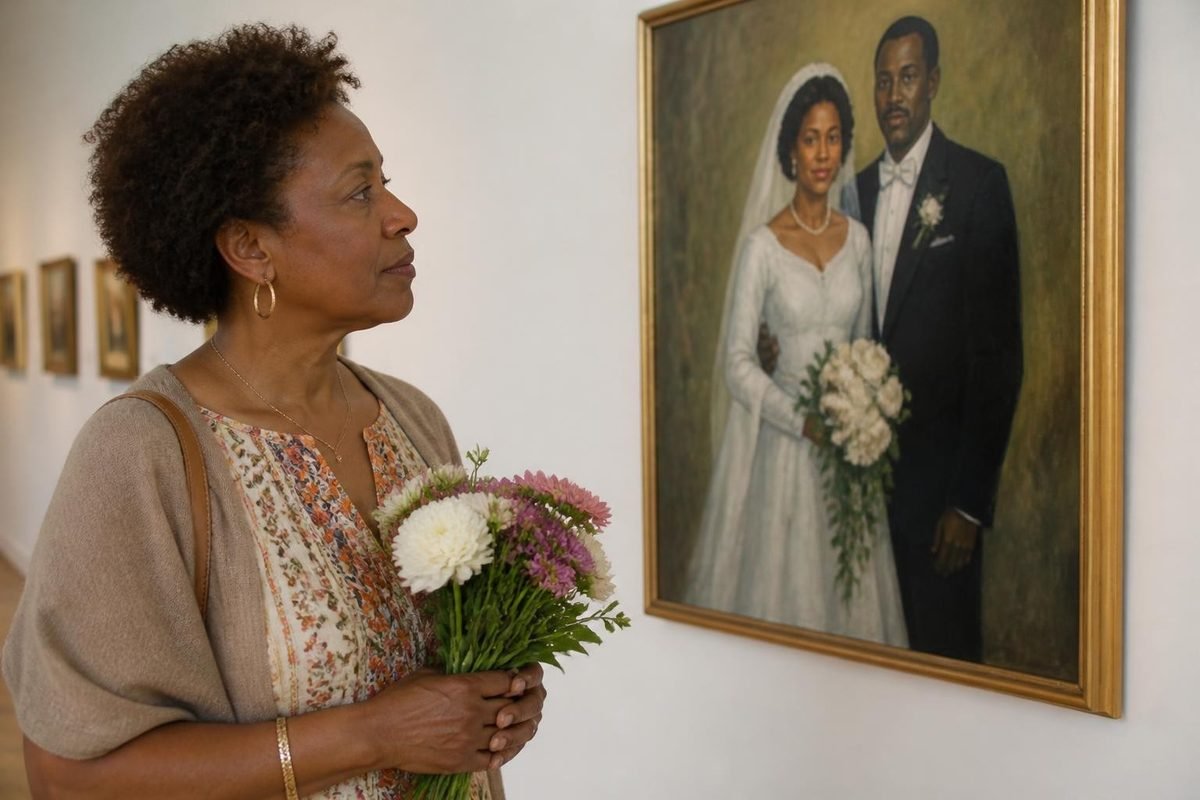
Painted wedding flowers have served as symbols, signs of changing fashion, and intimate details in portraits and marriage scenes. Their role shifted across time, and many brides in older paintings do not hold bouquets in the way people often expect today.
Flowers in early wedding paintings
In early European art, a flower might point to love, purity, fertility, or devotion. Its meaning depended on the scene and on the customs understood by the painter and the people viewing the work. Flowers did not form a universal code with one meaning for every picture.
Some well known scenes of weddings show no bridal bouquet. In Pieter Bruegel the Elder’s sixteenth century painting The Peasant Wedding, the bride sits under a paper crown as guests share a meal and servants bring food. It is the busy room, rather than a floral arrangement, that gives us a sense of the celebration.
Religious depictions of marriage could give flowers a different purpose. In Raphael’s The Marriage of the Virgin, Joseph carries a flowering rod. This detail comes from the story of how he was chosen to become Mary’s husband. The rod is not a bouquet for the bride, but it shows how a flower could help convey a marriage story.
Flowers as fashion and personal detail
As bridal flowers became more established in wedding customs, painters began to show them alongside garments, jewelry, and other details of the day. A bouquet could be held near the waist, placed in a bride’s lap, or add a modest area of color to a light colored dress.
How the flowers were painted could shape the feeling of the image. Carefully ordered blooms may reinforce a sitter’s formal pose, while a looser grouping can make a scene feel gentler and more private. The painter’s handling of the bouquet matters as much as the varieties represented.
Looking closely at a wedding image can reveal how the flowers fit into its design. Notice these details:
- Position: Does the bouquet draw attention at the center, or sit quietly beside the bride?
- Color: Do the blooms merge with the dress, or contrast with it?
- Paint handling: Can you see individual petals, or has the artist suggested them with broad, quick strokes?
- Surroundings: Is the bouquet part of a formal portrait, or set among the movement of a celebration?
In more recent wedding portraits, flowers may reflect the couple’s preferences rather than communicate a clear symbolic meaning. Even if the types of flowers are difficult to recognize, a painted bouquet can suggest personal taste, the season, or the style of that particular ceremony.
Questions about wedding flowers in paintings
Did every bride in a painting hold a bouquet?
No. An artist might give greater attention to the ceremony, the guests, or the clothing. Wedding customs differed between periods and places, so it is best not to expect every historical bride to carry a bouquet like a modern one.
Can the flowers always be named?
No. Some painters carefully described leaves and petals, while others relied on broad marks. The passage of time and changes to a painting’s surface can also obscure small details, making identification more difficult.
A related guide: staying close from abroad